

Joshua Mari Descalso | March 6, 2025
Sleep is a fundamental component of our overall health, yet it is often sacrificed in today’s society. Many people struggle with chronic sleep deprivation without realizing its serious implications. While occasional sleepless nights may seem harmless, persistent sleep deprivation can lead to severe physical and mental health problems. Understanding the warning signs can help you take proactive steps to improve your sleep and prevent long-term health complications.
Key Warning Signs of Sleep Deprivation
1. Constant Fatigue and Drowsiness

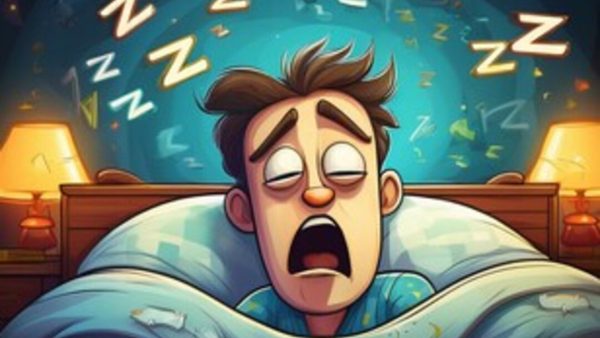
One of the most common signs of sleep deprivation is ongoing fatigue, even after what seems like a full night’s rest. If you frequently feel exhausted during the day, struggle to stay awake, or experience uncontrollable yawning, your body is signaling that it is not getting enough restorative sleep.
2. Difficulty Concentrating and Memory Lapses

Lack of sleep directly impacts cognitive functions. If you find yourself easily distracted, struggling to focus at work or school, or forgetting simple details, it could be due to insufficient sleep. Sleep plays a crucial role in consolidating memories and improving problem-solving skills. Chronic sleep deprivation can lead to impaired judgment and decision-making abilities, making even simple tasks difficult.
3. Mood Swings and Increased Irritability

If you notice sudden mood changes, increased irritability, or heightened emotional responses to minor issues, lack of sleep may be the culprit. Sleep deprivation affects the brain’s ability to regulate emotions, making you more prone to stress, anxiety, and even depression.
4. Weakened Immune System

Frequent colds and infections could be a sign that your immune system is compromised due to inadequate sleep. Sleep is essential for producing infection-fighting antibodies and cytokines that help protect against illnesses. If you are constantly getting sick, it may be time to assess your sleep patterns.
5. Unexplained Weight Gain

Sleep deprivation disrupts the body’s hunger hormones, leading to increased appetite and cravings for high-calorie foods. This imbalance can contribute to weight gain and make it harder to maintain a healthy diet. Additionally, lack of sleep slows down metabolism, making it more difficult to burn calories effectively.
6. High Blood Pressure and Heart Problems

When you do not get enough sleep, your body remains in a heightened state of stress, leading to increased blood pressure and a higher risk of heart disease. Studies have shown that individuals who consistently get less than six hours of sleep per night have a greater chance of developing cardiovascular problems.
7. Hallucinations and Delirium

Extreme sleep deprivation can lead to severe cognitive disturbances, including hallucinations and delirium. If you begin to experience visual or auditory hallucinations, confusion, or paranoia, it is critical to seek medical help immediately.
How Sleep Disorders Can Cause Sleep Deprivation
Chronic sleep deprivation is not always a result of a busy lifestyle; sometimes, an underlying sleep disorder is to blame. Conditions such as sleep apnea, insomnia, and restless leg syndrome can significantly disrupt sleep quality and duration.
Obstructive Sleep Apnea (OSA)
OSA is one of the most common yet underdiagnosed sleep disorders. It occurs when the airway becomes partially or completely blocked during sleep, causing pauses in breathing and frequent awakenings throughout the night. Common symptoms include loud snoring, gasping for air during sleep, morning headaches, and excessive daytime sleepiness.
Insomnia
People with insomnia have difficulty falling or staying asleep. This disorder can be caused by stress, anxiety, poor sleep habits, or underlying medical conditions. Chronic insomnia leads to prolonged sleep deprivation, increasing the risk of serious health complications.
Restless Leg Syndrome (RLS)
RLS causes an uncontrollable urge to move the legs, often accompanied by uncomfortable sensations. This condition disrupts sleep and prevents individuals from achieving deep, restorative rest.
Solutions for Better Sleep

If you recognize any of these warning signs, it is essential to take action to improve your sleep quality. Addressing lifestyle habits and seeking professional help can make a significant difference.
CPAP Therapy for Sleep Apnea

For individuals suffering from sleep apnea, Continuous Positive Airway Pressure (CPAP) therapy is a highly effective treatment. A CPAP machine delivers a constant flow of air through a mask to keep the airway open, allowing for uninterrupted breathing and better sleep quality. CPAP therapy has been proven to reduce daytime sleepiness, lower the risk of cardiovascular disease, and improve overall health.
Seeking Help from a Sleep Disorder Clinic

If you suspect you have a sleep disorder, visiting a sleep disorder clinic can provide you with the diagnosis and treatment you need. These clinics specialize in evaluating and managing various sleep disorders, offering sleep studies and tailored treatment plans. Professional assessment ensures that you receive the right therapy to restore your sleep and improve your quality of life.
Why Choose CPAP and Sleep Disorder Clinic?
For those struggling with sleep-related issues, CPAP and Sleep Disorder Clinic is a trusted provider of sleep apnea treatments and diagnostic services. They offer:
- Comprehensive sleep evaluations to diagnose conditions like sleep apnea, insomnia, and RLS.
- A wide range of CPAP machines and accessories to suit individual needs.
- Expert guidance and ongoing support to ensure effective treatment and long-term sleep improvement.
- State-of-the-art technology and a team of experienced professionals dedicated to improving sleep health.
Conclusion
Ignoring the warning signs of sleep deprivation can lead to severe health consequences. Persistent fatigue, cognitive impairment, mood swings, and other symptoms should not be dismissed. If sleep deprivation is affecting your daily life, seeking professional help is the best course of action. CPAP therapy and specialized treatment from a sleep disorder clinic can help restore healthy sleep patterns, improving overall well-being and longevity. Prioritizing sleep is not just about feeling rested—it is a crucial investment in your long-term health.
Contact Us:
Don’t hesitate to consult a healthcare provider to explore CPAP therapy and discover the ideal solution tailored to your needs. Bid farewell to sleepless nights and embrace the promise of peaceful slumber with CPAP and Sleep Disorder Clinic.
Address
6/F Cyber One Building, 11 Eastwood Avenue, Eastwood City Cyberpark, Bagumbayan, Quezon City
Contact Numbers
Globe: +6395-6450-8100
Smart: +6394-7769-1223
Landline : 02-8817-5759
Mail
info@cpapsleepclinic.ph



Leave a comment