
Joshua Mari Descalso | March 20, 2025
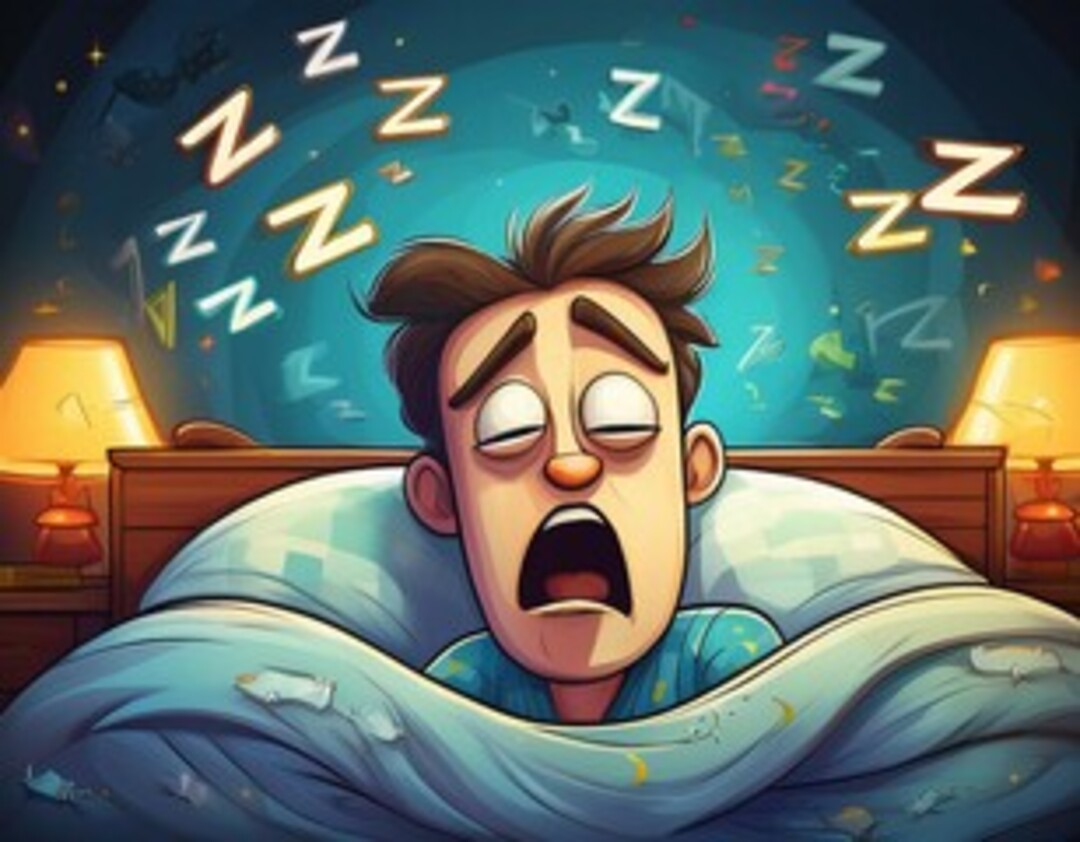
Sleep apnea is a serious condition that affects millions of people worldwide, but can sleep apnea kill you? It happens when a person stops breathing for short periods while sleeping. Many people think snoring or occasional breathing pauses are harmless, but sleep apnea can lead to dangerous health problems. Understanding the risks linked to this condition is important to prevent serious complications.
What is Sleep Apnea?
Sleep apnea occurs when the airway gets blocked during sleep, making it hard to breathe. These pauses in breathing, called apneas, can last a few seconds to a minute and may happen many times throughout the night. There are two main types of sleep apnea:
- Obstructive Sleep Apnea (OSA): The most common type, OSA happens when throat muscles relax too much and block the airway.
- Central Sleep Apnea (CSA): This less common type occurs when the brain does not send the right signals to the muscles that control breathing.
No matter the type, untreated sleep apnea can be deadly. It increases the risk of serious health problems like heart disease, diabetes, and accidents caused by extreme tiredness. Can sleep apnea kill you? If left untreated, it can increase the risk of life-threatening conditions.
Key Risk Factors That Make Sleep Apnea Deadly
1. Obesity

Excess weight, particularly around the neck and throat, is a leading risk factor for obstructive sleep apnea. Fat deposits can block the airway, making it harder to breathe during sleep. Studies show that even moderate weight gain increases the likelihood of developing sleep apnea, while weight loss can significantly reduce its severity.
2. Age and Gender

Men are more likely to develop sleep apnea than women, though the risk for women increases after menopause. Age also plays a crucial role, as sleep apnea becomes more common in individuals over the age of 40. However, can sleep apnea kill you? It can affect people of all ages, including children, and in severe cases, it can be life-threatening.
3. Family History and Genetics

If you have a family history of sleep apnea, you may have a higher risk of developing the condition. Genetic factors such as airway structure, neck circumference, and facial bone structure can contribute to an increased risk of obstruction during sleep.
4. Alcohol and Sedative Use
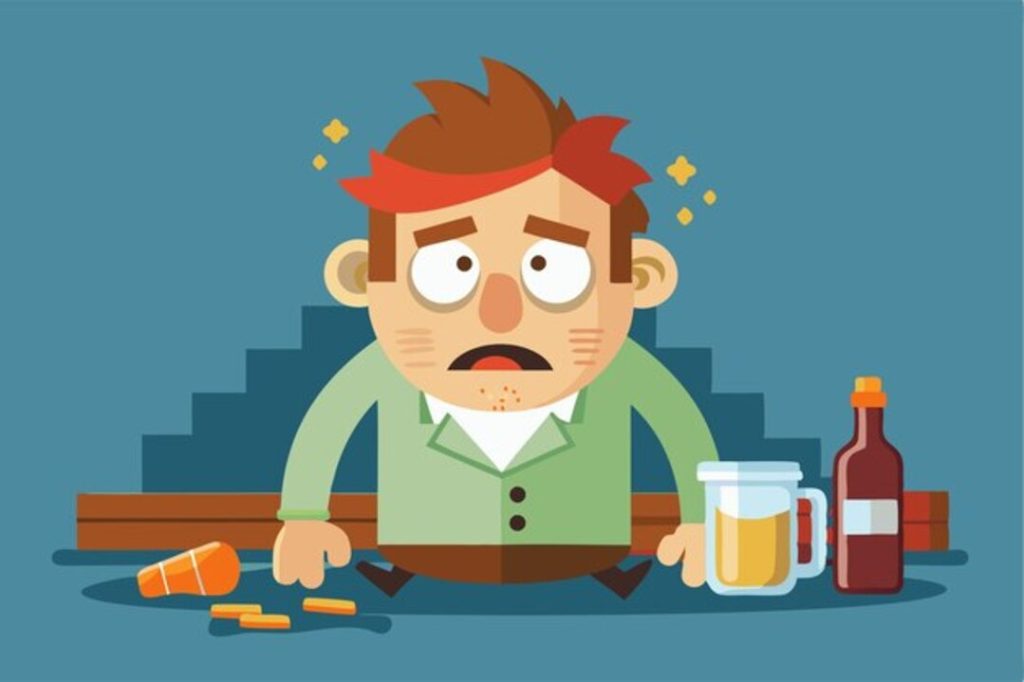
Alcohol and sedatives relax the muscles in the throat, increasing the likelihood of airway obstruction. People who frequently consume these substances before bed are at greater risk of experiencing severe apneas during sleep.
5. Smoking
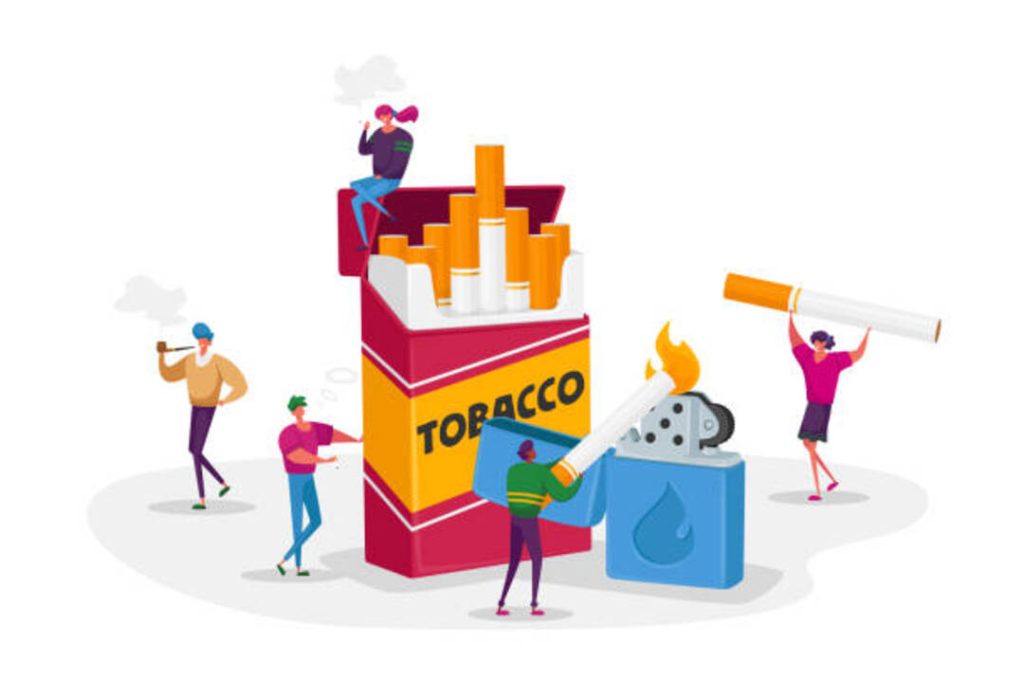
Smoking causes inflammation and fluid retention in the upper airway, making breathing more difficult during sleep. Smokers are three times more likely to develop sleep apnea compared to non-smokers.
6. Underlying Health Conditions
Several medical conditions are linked to a higher risk of sleep apnea, including:
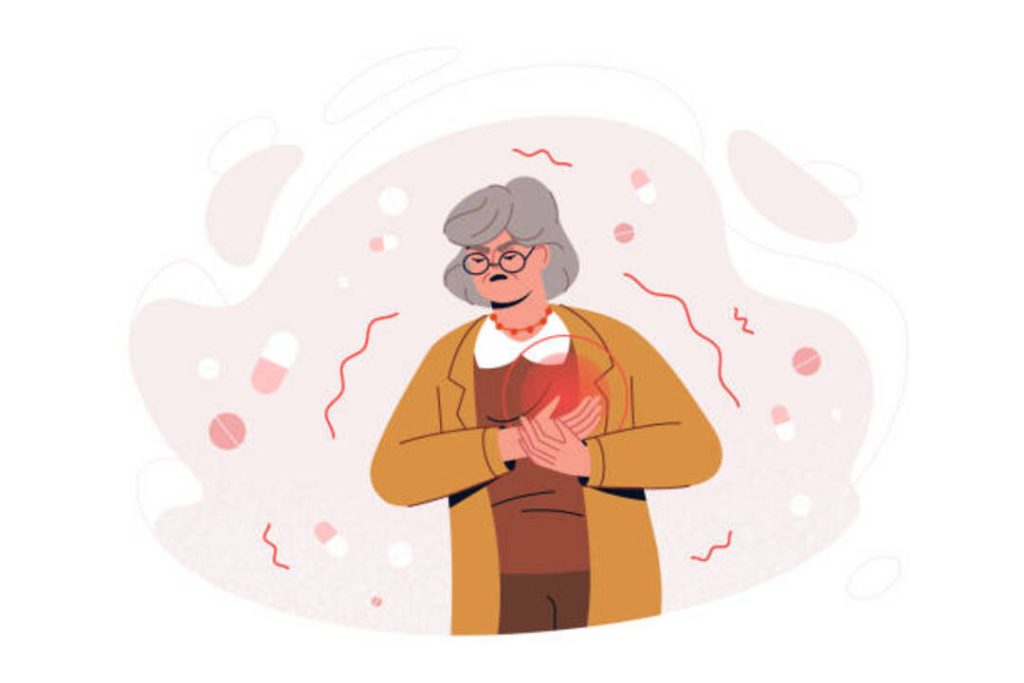
- Hypertension (High Blood Pressure): Sleep apnea and high blood pressure are closely linked. The repeated drops in oxygen levels caused by apneas increase blood pressure, straining the heart.
- Diabetes: People with type 2 diabetes are more likely to develop sleep apnea, as both conditions are associated with obesity and metabolic dysfunction.
- Heart Disease and Stroke: Sleep apnea significantly raises the risk of heart attack, stroke, and other cardiovascular conditions by disrupting normal oxygen flow and increasing stress on the heart.
- Chronic Nasal Congestion: Those who have persistent nasal congestion due to allergies or sinus issues may have a higher likelihood of experiencing breathing obstructions during sleep.
7. Untreated Sleep Apnea Increases Mortality Risk
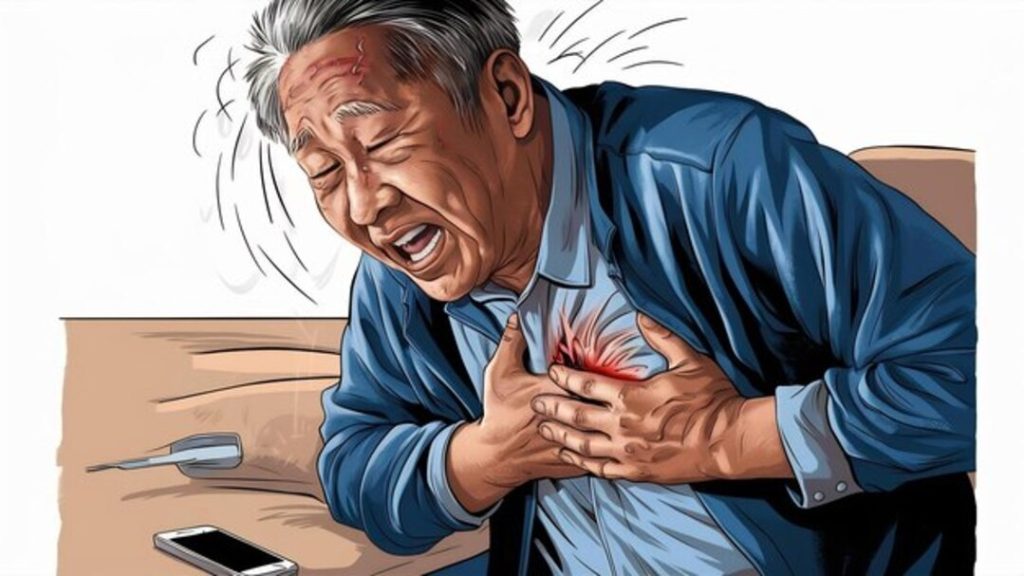
Sleep apnea doesn’t just affect sleep quality—it has life-threatening consequences. The repeated oxygen deprivation puts extreme stress on the body, leading to complications such as:
- Increased risk of sudden cardiac arrest
- Higher likelihood of stroke
- Greater risk of motor vehicle and workplace accidents due to excessive daytime sleepiness
- Cognitive decline and memory issues
Can sleep apnea kill you? Yes, especially if it leads to heart disease, stroke, or a deadly accident caused by lack of sleep.
How Sleep Apnea Can Shorten Your Life
Studies show that people with untreated severe sleep apnea have a 30% higher risk of dying early. The combination of heart strain, diabetes, and brain problems makes aging faster and reduces lifespan. Can sleep apnea kill you? Without proper treatment, the answer is a resounding yes.
How to Treat Sleep Apnea and Live Longer
The good news is that sleep apnea can be treated. Here are some of the best ways to manage it:
1. CPAP Therapy
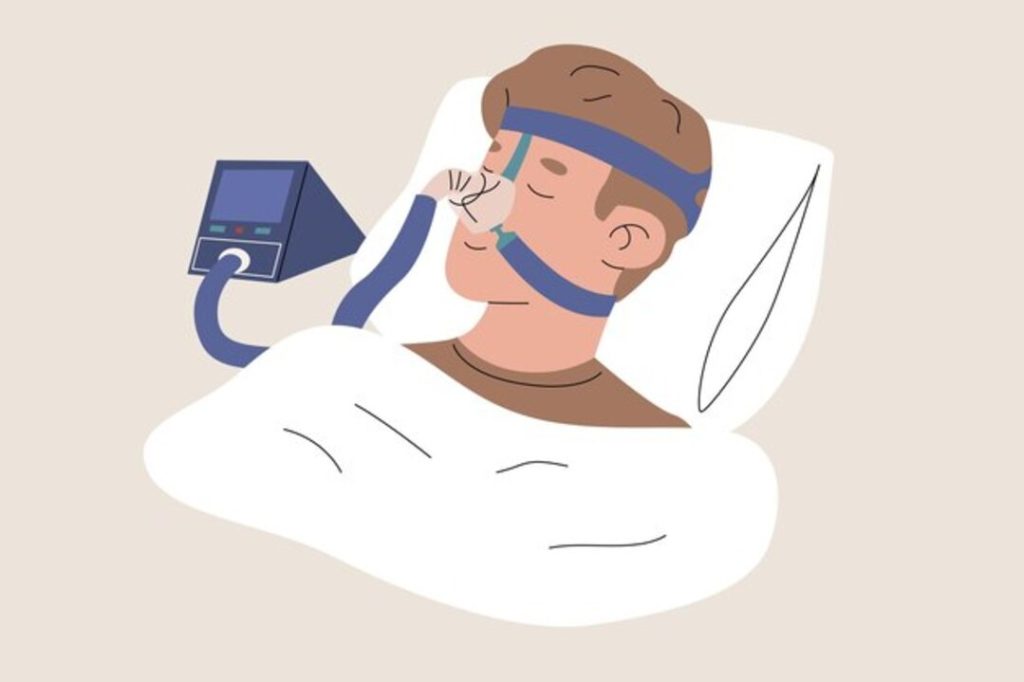
A CPAP (Continuous Positive Airway Pressure) machine is the best treatment for sleep apnea. It delivers air through a mask to keep your airways open. CPAP therapy can:
- Improve oxygen flow
- Lower heart risks
- Improve sleep quality
- Prevent serious health problems
Looking for the best CPAP machines? Visit CPAP and Sleep Disorder Clinic for top-quality CPAP machines, masks, and accessories.
2. Healthy Lifestyle Changes
Making small changes can also help with sleep apnea:
- Losing weight
- Avoiding alcohol and sleeping pills
- Sleeping on your side instead of your back
- Quitting smoking
3. Surgery or Dental Devices
In severe cases, surgery or custom dental devices may be needed to keep the airway open.
Take Action Now
Ignoring sleep apnea is not an option if you want to live a long and healthy life. It doesn’t just affect your sleep—it damages your heart, brain, and other organs. Can sleep apnea kill you? Yes, and that’s why it’s crucial to seek treatment as soon as possible.
If you think you or a loved one may have sleep apnea, don’t wait to get help. Visit CPAP and Sleep Disorder Clinic for expert advice and the best CPAP solutions to improve your sleep and overall health.
Take action today—better sleep means a longer, healthier life!
Contact Us:
Don’t hesitate to consult a healthcare provider to explore CPAP therapy and discover the ideal solution tailored to your needs. Bid farewell to sleepless nights and embrace the promise of peaceful slumber with CPAP and Sleep Disorder Clinic.
Address
6/F Cyber One Building, 11 Eastwood Avenue, Eastwood City Cyberpark, Bagumbayan, Quezon City
Contact Numbers
Globe: +6395-6450-8100
Smart: +6394-7769-1223
Landline : 02-8817-5759

Leave a comment