
Written by: Joshua Mari Descalso
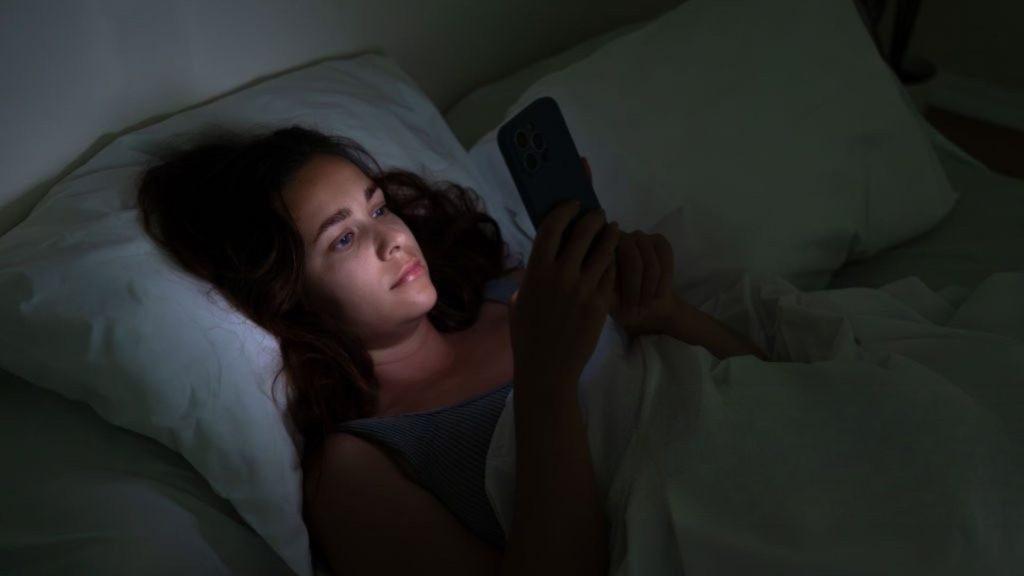
Imagine lying in bed after a long day, your body begging for rest while your mind races with the latest updates from your phone. The glow of your screen fills the dark room as you scroll, unaware that the very device keeping you company might be stealing your sleep. In our tech-driven lives, sleep no longer comes easily—and it’s not just because of a busy schedule. The growing relationship between sleep disorder and technology is changing the way we rest, and not for the better.
The Impact of Screen Time on Sleep
One of the most direct ways technology interferes with sleep is through prolonged screen time. Blue light emitted by screens suppresses melatonin, the hormone responsible for regulating sleep-wake cycles. When melatonin levels drop, it becomes harder to fall asleep and stay asleep, resulting in disrupted rest.
Many people use their phones or laptops late into the night, checking emails, watching videos, or scrolling through social media. This habit delays the natural sleep process and keeps the brain stimulated, even when the body is tired. Over time, these behaviors contribute to chronic sleep deprivation and lead to more serious sleep disorders.
The Connection Between Sleep Disorder and Technology
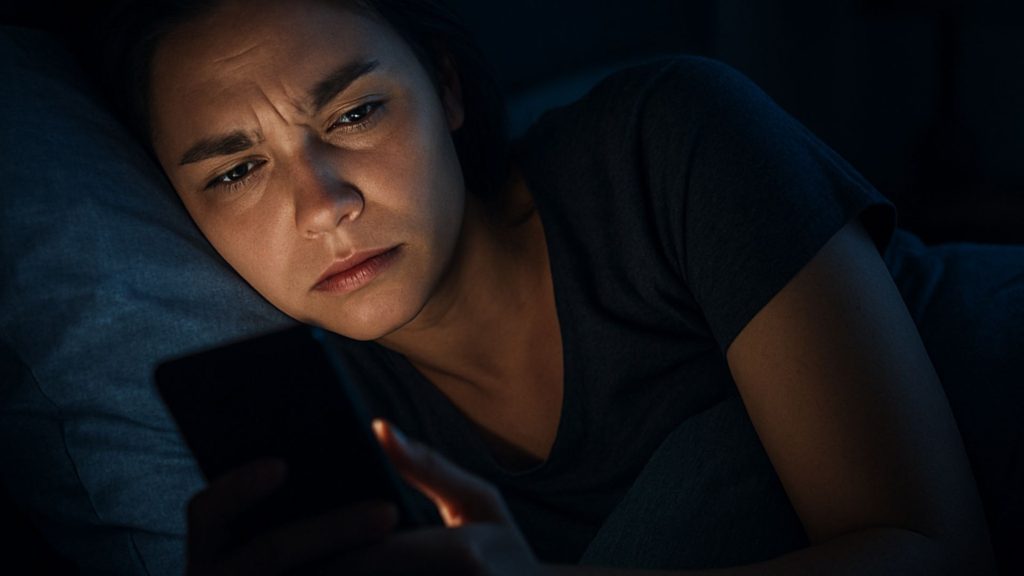
There’s a growing body of research linking sleep disorder and technology. From social media addiction to binge-watching shows, technology can overstimulate the brain and keep it from winding down at bedtime. Notifications, alerts, and screen glare can all interrupt the brain’s signal to relax, increasing anxiety and making restful sleep difficult.
In younger populations especially, the combination of late-night screen use and irregular sleep patterns has led to a significant rise in sleep-related problems. Children and teens are more vulnerable to the effects of technology on sleep, and many suffer from poor sleep hygiene because of their digital habits.
Modern Stress and the Digital Lifestyle
Beyond screen light and content, our dependence on technology also increases stress levels. Being constantly connected means we rarely get a break from work, news, or social obligations. The pressure to stay updated or respond to messages creates mental overload, which disrupts our ability to fall asleep peacefully.
When the brain is on high alert due to stress or overuse of digital devices, it becomes harder to transition into deep, restorative sleep. This is a key factor in many modern sleep disorders. The interplay between sleep disorder and technology is becoming a central issue for sleep specialists, especially as people report increasing fatigue and poor sleep quality.
Treating Sleep Disorders in a Tech-Driven World
While managing screen time is important, some sleep disorders—like sleep apnea—require medical intervention. Sleep apnea is a condition where a person’s breathing repeatedly stops and starts during sleep, leading to poor sleep quality and serious health risks if left untreated.
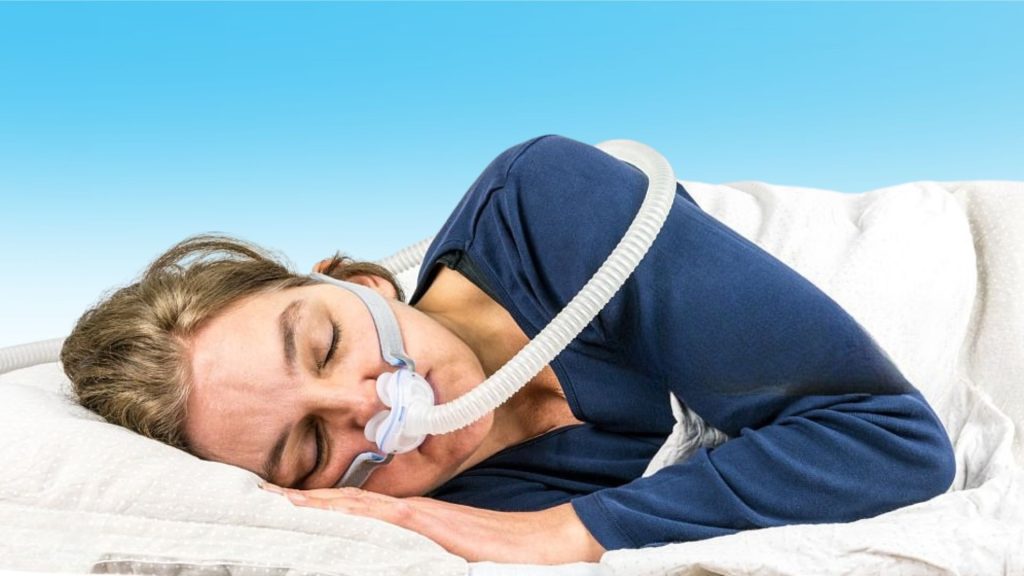
CPAP (Continuous Positive Airway Pressure) therapy is the most effective treatment for sleep apnea. A CPAP machine delivers a constant stream of air to keep the airway open, allowing for uninterrupted, deep sleep. For those struggling with both sleep apnea and the side effects of digital overexposure, CPAP therapy can be life-changing.
At CPAP Sleep Clinic, we specialize in helping people diagnose and treat their sleep disorders with expert care and modern solutions. Whether you’re experiencing fatigue, snoring, or other symptoms of sleep disruption, our team can provide professional guidance and equipment to help you get the restful sleep you need.
Why Choose CPAP Sleep Clinic?
We understand the challenges of balancing technology and health in today’s world. That’s why CPAP Sleep Clinic offers tailored services, including sleep studies and the latest CPAP machines, to help patients overcome their sleep struggles. We’re committed to supporting better sleep hygiene and health, even in the face of ongoing digital distractions.
With our comprehensive support, you can break free from the harmful cycle of sleep disorder and technology. From diagnosis to personalized treatment, we’ll help you get back on track with your sleep—and your life.
Taking Steps Toward Better Sleep
Improving your sleep starts with awareness. Recognizing the link between sleep disorder and technology is the first step toward making better choices. Set boundaries around screen time, avoid devices before bed, and create a calming nighttime routine to signal your body that it’s time to rest.
And if you suspect a more serious issue like sleep apnea, don’t wait to seek help. Visit CPAP Sleep Clinic today and take control of your sleep health. The digital age doesn’t have to cost you a good night’s sleep—get the support you need and start sleeping better tonight.
Contact Us:
Don’t hesitate to consult a healthcare provider to explore CPAP therapy and discover the ideal solution tailored to your needs. Bid farewell to sleepless nights and embrace the promise of peaceful slumber with CPAP and Sleep Disorder Clinic.
Address
6/F Cyber One Building, 11 Eastwood Avenue, Eastwood City Cyberpark, Bagumbayan, Quezon City
Contact Numbers
Globe: +6395-6450-8100
Smart: +6394-7769-1223
Landline : 02-8817-5759